Our Foundation
About The Howard
The Historic Howard Theatre Foundation — preserving a legacy, inspiring a future.
Our Mission
At the Historic Howard Theatre Foundation, our mission is to preserve the legacy of the Howard Theatre as a cultural and historic landmark. We are dedicated to showcasing diverse artistic performances, fostering the next generation of talent, and maintaining the theater as a vibrant gathering place for the community. Through educational programs, performances, and public events, we strive to honor the history of the Howard while ensuring its continued relevance for future generations.
The Building
A Beaux-Arts Masterpiece
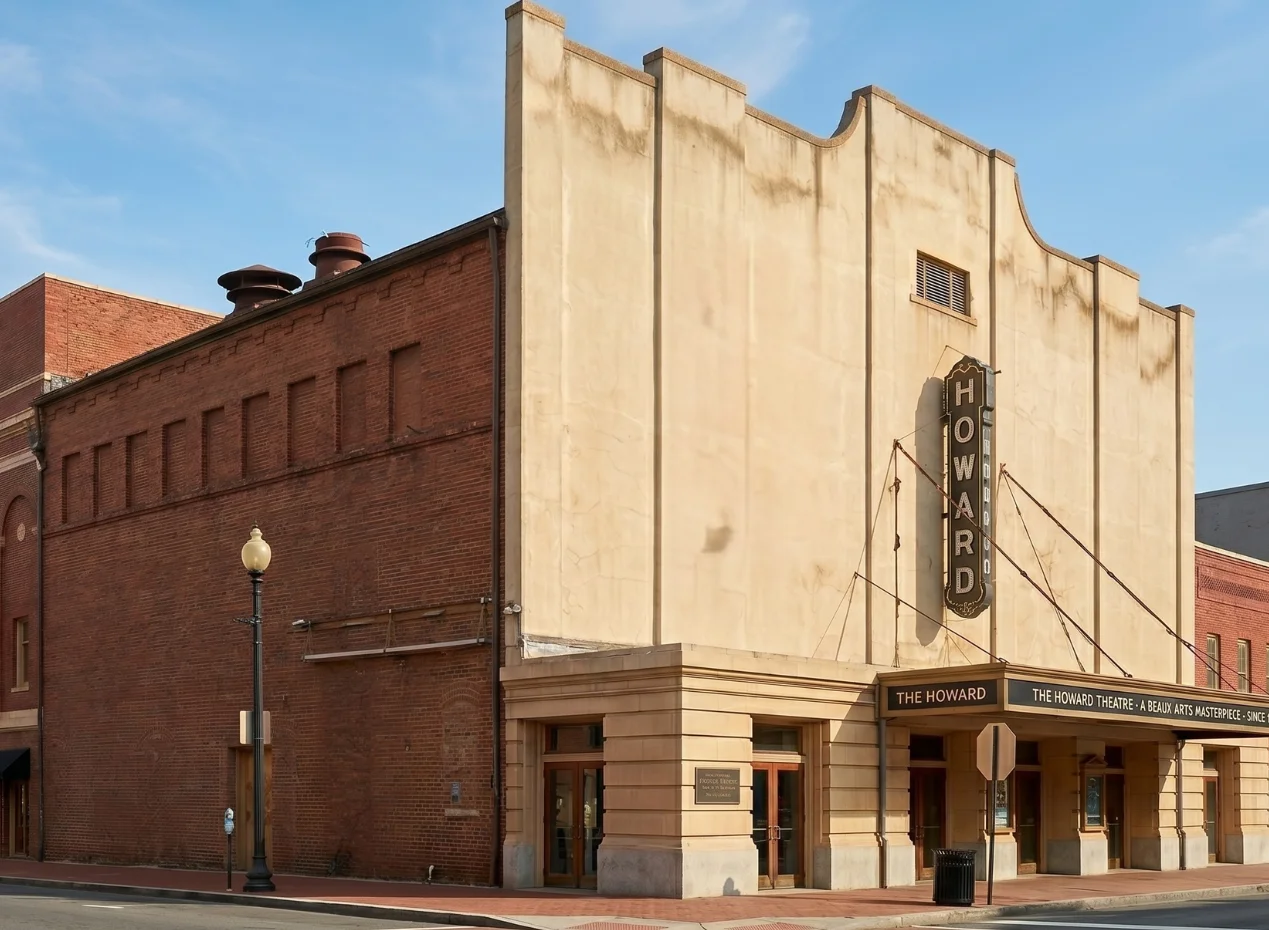
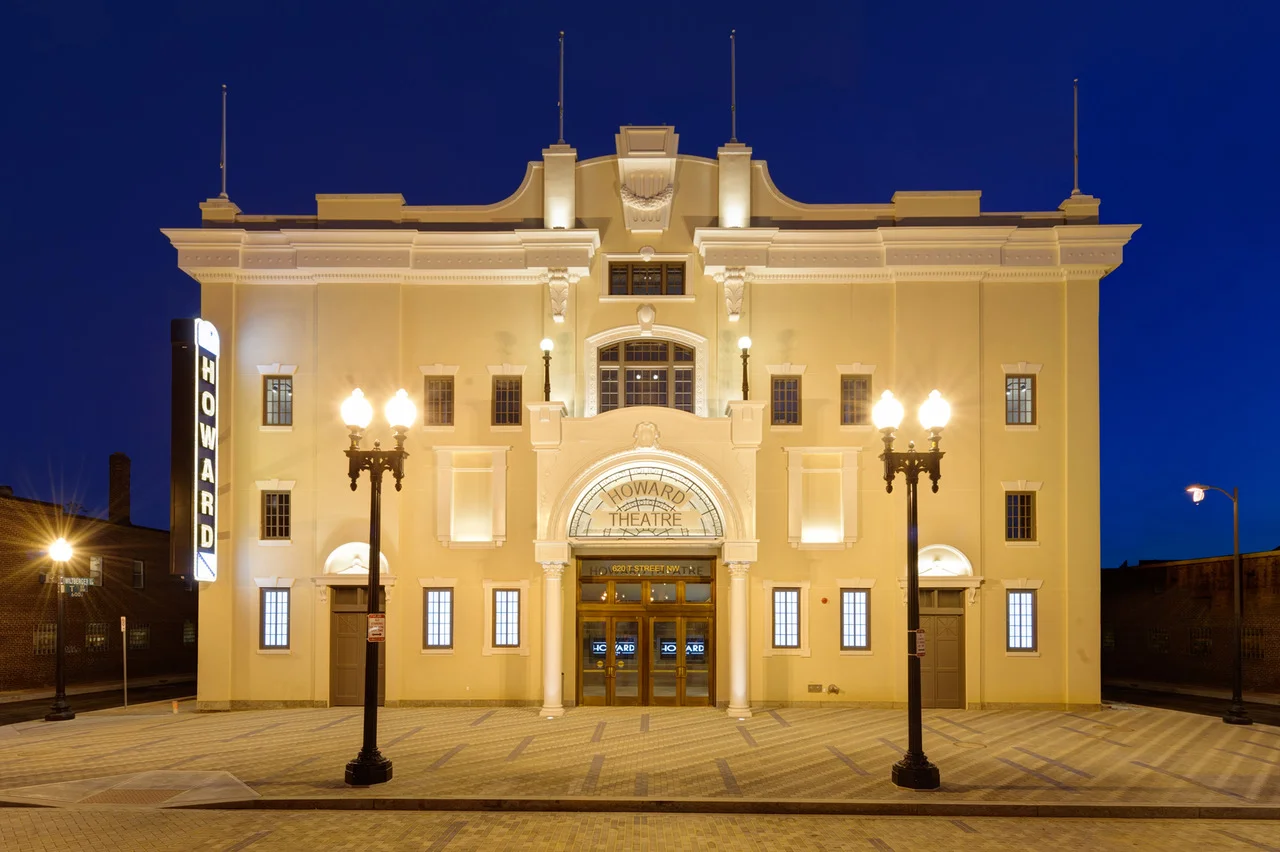
Designed by architect J. Edward Storck, the theater opened in 1910 with an extravagant Beaux-Arts facade that exuded elegance and prestige. The exterior blended classical influences — Beaux-Arts, Italian Renaissance, and neoclassical details woven together in brick and terra cotta trim — truly looking like a palace for the arts.
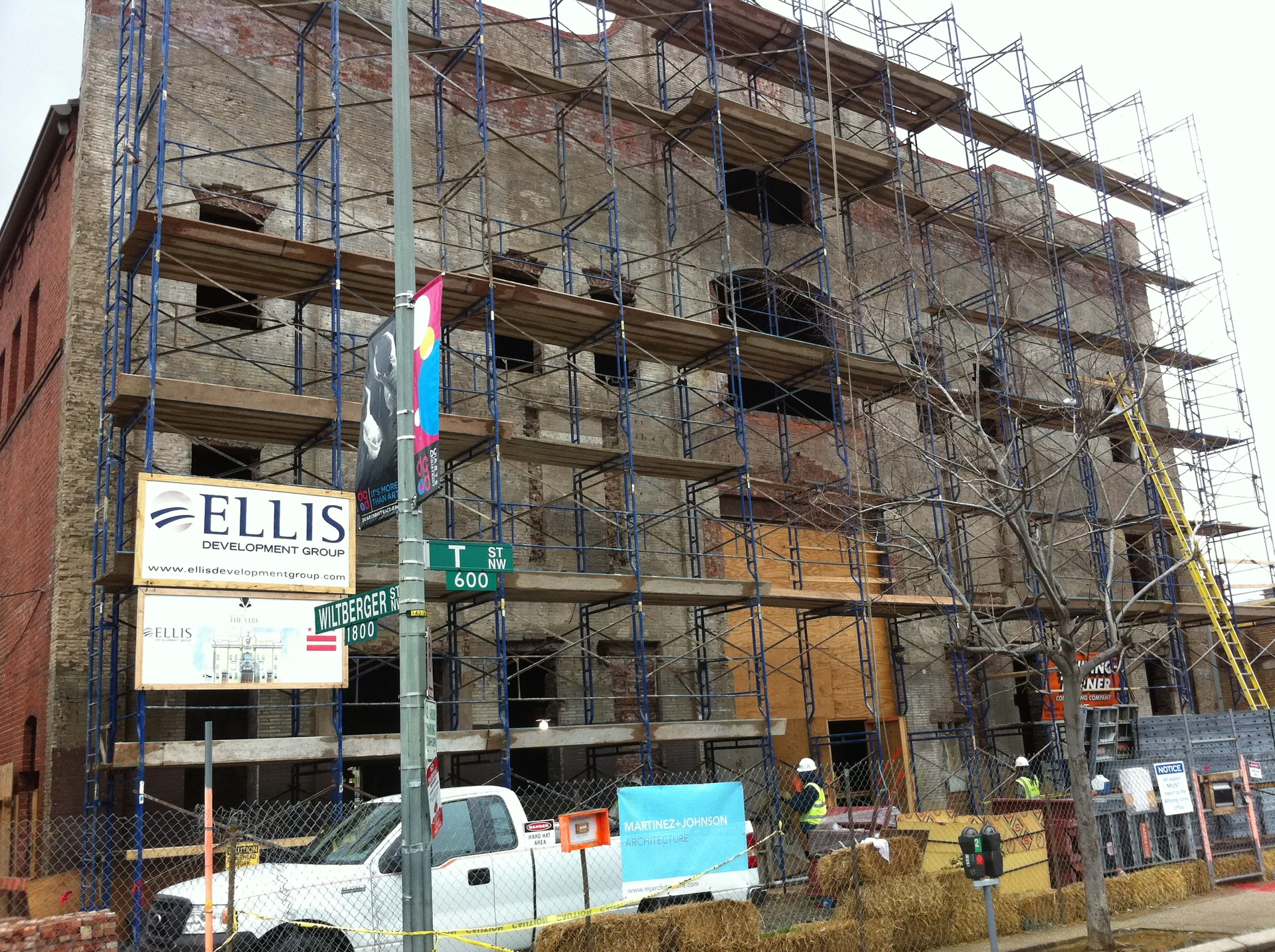
In recognition of its historic and architectural significance, the building was added to the National Register of Historic Places in the mid-1970s. During the 2010–2012 restoration, architects lovingly recreated the Howard's original 1910 facade while updating the facility with modern amenities and technology.
Looking Ahead
Where the Howard Is Headed
The Howard Theatre aims to become a premier cultural hub in Washington, D.C. and a vital platform for Black artistic excellence, talent discovery, and civic life. Through a focused set of signature, multidisciplinary programming initiatives, the Howard will assert itself as a destination for vibrant Black arts that reflect both tradition and contemporary creative expression. Future programs will include festivals of music and dance, collaborations with leading Black arts organizations, lectures, symposia and classes with Black entertainers, and performances from jazz to hip hop, gospel to opera.
Expanded education and civic programs serving all ages will activate the Theatre as a center of intergenerational engagement, deepening community connection while honoring the Howard’s legacy through interpretive elements such as a mini-exhibition celebrating the artists who shaped its history. Together, these efforts will position the Howard not only as a performance venue, but as a living cultural institution rooted in place, history, and public purpose.